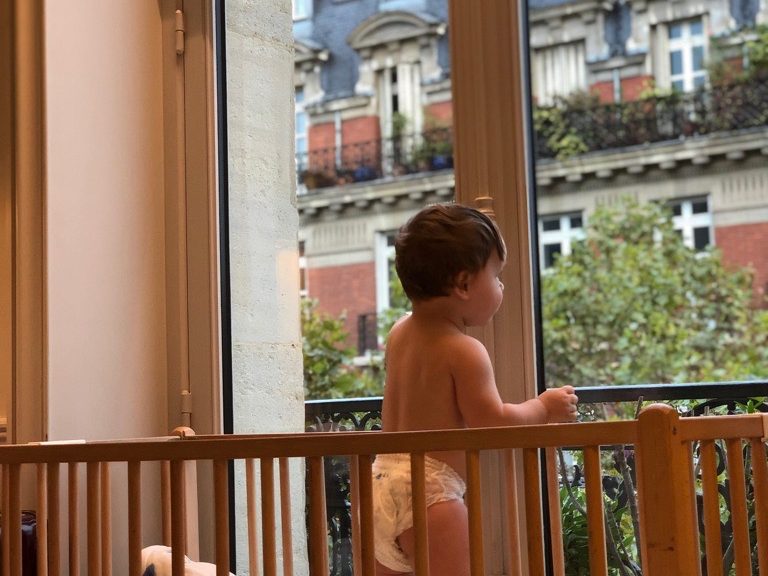
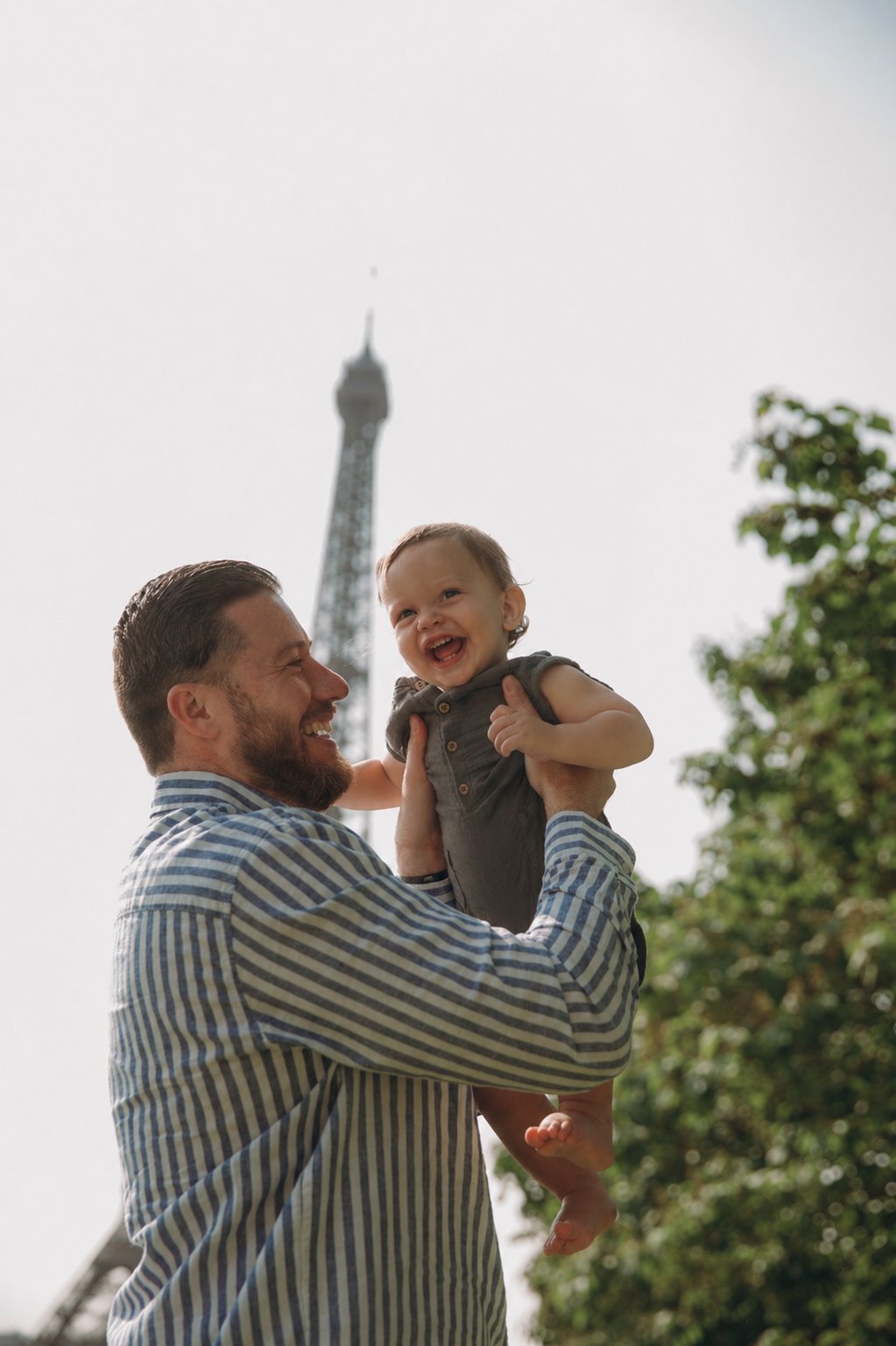
Before children, luxury travel meant something like a quiet suite, a late dinner, a long morning in a robe. After children, all of that still sounded good, but the logistics were louder. Then we walked into Le Narcisse Blanc with a nine month old.
The valet didn’t just take the car. He took the stroller. Wheeled it somewhere. An hour later, we came down to go for a walk and someone had the stroller ready by the door, cleaned and unfolded, with a pacifier tucked back in the seat where it had been dropped. That was the moment.
Luxury for families, it turned out, wasn’t about bigger rooms. It was about anticipation. The staff had been quietly watching for what we’d need, and making it happen before we asked. The rest of the stay was like that, a warm bottle appearing at the exact right moment, a crib already made up, a quiet corner of the breakfast room set for us so she could nap in her stroller while we ate.
We went home and started asking different questions about every hotel we’d ever loved. Where did they anticipate? Where did they assume we’d figure it out on our own? The small details are the whole thing. That’s what we build around now.
It usually starts with a paragraph. Sometimes two. Someone writes to tell us where they’re going, who’s going, and what they hope the trip might feel like. That last part matters most.
From there, we send back questions. Not a form. A conversation. How do the kids sleep? Does one of you love mornings while the other loves late dinners? Are you the kind of family who wants the same hotel for a week, or the kind who wants to see three cities? Is anyone squeamish about a ferry? The answers shape everything.
Within a week or two, we send a draft, hotels, routing, the days in each place. We don’t try to nail it on the first pass. The second round is where it starts to feel right: a small change to the hotel in Rome, a day added in Chianti, a reservation secured at a restaurant you mentioned six emails ago.
Once you’re traveling, we stay close but quiet. A contact at every hotel. A driver on call. A phone number you can text at any hour. Most trips we never hear from you in the moment. The next month, you send us the photos.
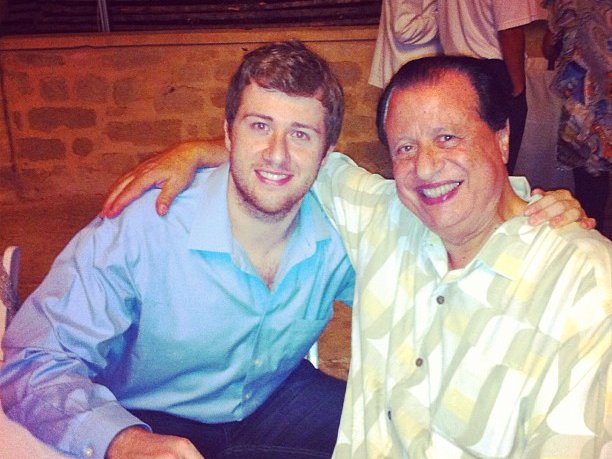
A little note on our name, because it’s something I kept coming back to. Victoire Voyages wasn’t random. It was actually my husband’s first company name, and even then it was a nod to his father, Victor. As I thought through different directions, I kept circling back to Victoire. It just stayed. It felt right in a way nothing else did.
Victor was the kind of person who leaves a real imprint. Born in Tunis, educated in Paris and at Harvard, and building his life in America, all while never losing his French accent or where he came from. He had a deep, joyful love for his culture and his identity, and it was something he carried with him everywhere.
What stays with me most is how much he loved family. He loved hosting, gathering people, and creating a sense of togetherness. He’s still very present in how we think about life, family, and even travel.
So Victoire Voyages feels like more than a name. It carries him, and it carries us. That’s the whole point.
The difference isn’t just where you go. It’s how it feels once you’re there. I am always directly available, text, WhatsApp, call, email, even late at night when something small suddenly feels important. Travel doesn’t happen on a schedule, and neither do I.
Most of what you need is already handled before you even arrive. A crib in the room. Extra towels. Connecting rooms that actually make sense for your family. Dinner reservations that don’t feel like a compromise. The small details that quietly remove friction from your day.
But what matters more is that I get to know you. How you like to wake up. Whether you want structure or space. What your kids need to feel happy and settled. The kind of places where you exhale the second you walk in. Over time, I build a working knowledge of you. What you appreciate, what you avoid, what gives you ease. What actually feels like a break.
So every trip feels less like planning, and more like arriving into something that was already thought through, intuitively, personally, and completely. That’s the goal.
Nine times out of ten, a commercial first class ticket is the better answer. The tenth time, it really isn’t, and the math changes fast when you have three or four people in the calculation. Here’s when we recommend private for clients.
Connections that would require a second hotel night. If a trip involves a four hour layover with tired kids followed by a delayed second leg arriving at midnight, the private option, even at five to ten times the price of commercial, saves a day of recovery, and often comes out even on real cost.
Routes without good commercial service. The Aspen, Sun Valley, Jackson triangle. Mustique. Harbour Island. Islands in the Grenadines. Anywhere small enough that the commercial route adds a long ferry or drive.
Groups of six or more. At six passengers, the per seat cost of a light jet starts to compare to business class tickets. At eight, it’s often cheaper. When it almost never makes sense: direct transatlantic flights that commercial airlines serve well. For a family of four, a good first class product gets you there comfortably for a fraction of the cost. Save the charter for the trip that actually needs it.